Keeping Satyam Ghat Clean and Sacred

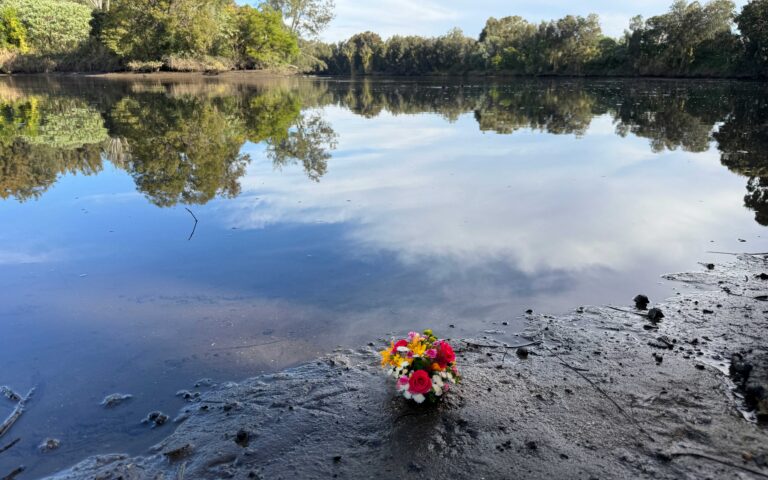
Img 2199 flowers

Satyam Ghat, located beside Lake Moore in the Liverpool Local Government Area, is a unique and sacred site. It serves as a gathering place for Sydney’s Sikh, Hindu and Buddhist communities, who come to perform spiritual rituals of devotion, remembrance, and thanksgiving. 

Img 2206 looks clean web 0

As the only official Ghat in New South Wales, Satyam Ghaat is deeply valued. It welcomes families and faith groups from across Greater Sydney who come to offer prayers and blessings at the water’s edge, often during religious festivals or personal milestones. 

Georges Riverkeeper Program Manager, Nell Graham, says: "We want the community to honour their traditions in a way that also honours the land and water."

Picture3

A sacred site under pressure 

With its growing use, the Ghat has seen an increasing amount of pollution despite weekly clean-ups coordinated by Liverpool City Council. 

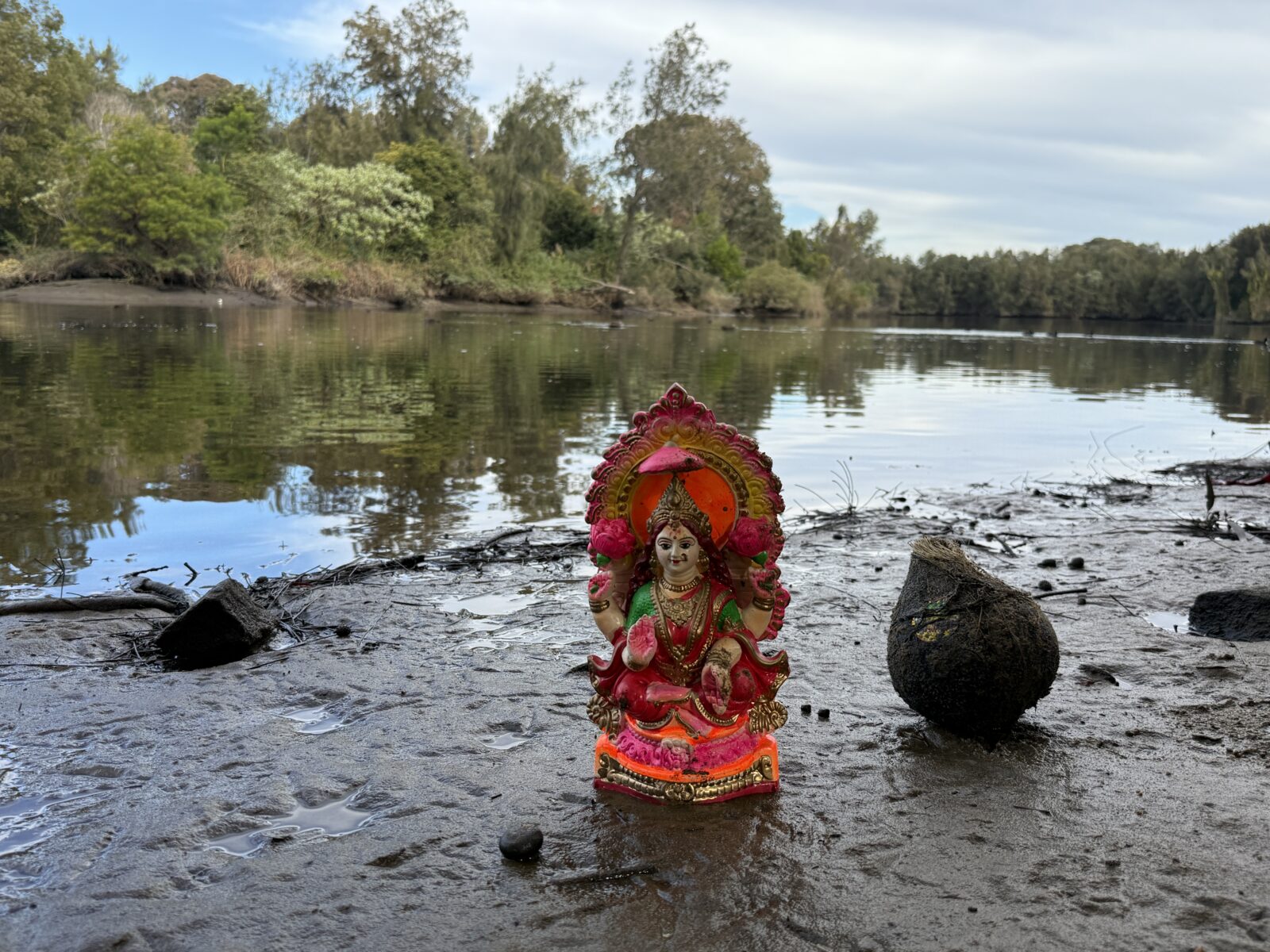
While most offerings are made with deep respect, non-biodegradable materials left in the water, including plastic idols, rice, coconuts, and clothing, are creating serious impacts on Lake Moore and the Georges River system. 

Adobestock 1010352468

Ritual snapshot

As part of festival celebrations, families gather to float flowers, worship, honour ancestors, or release grief into the water. These sacred traditions are symbolic, spiritual and meant to connect people with nature. But when synthetic items or food waste are used, the intended reverence can result in environmental harm. 

Georges River above Liverpool Weir Sept 2024.jpg
Georges River above Liverpool Weir Sept 2024

How pollution affects the Georges River 

Lake Moore feeds directly into the Georges River. Polluted offerings disrupt the natural ecosystem, causing: 

  • Litter and visual pollution along shorelines 
  • Harm to birds, fish, and aquatic life 
  • Water quality issues, including algal blooms triggered by food waste 
  • Loss of enjoyment for the wider community who walk, paddle, or picnic here 
Permitted offerings flowers flower buds leaves 1

Clear rules are in place – and being enforced 

To help protect this sacred site and its surrounding environment, strict guidelines apply under the Protection of the Environment Operations Act 1997. It is an offence to dispose of prohibited materials into natural waterways. Violators face on-the-spot fines between $500 and $1,000,000, and Satyam Ghaat is now under camera surveillance and regular patrols. 

Permitted Offerings 

  • Fresh flowers 
  • Flower buds 
  • Leaves (natural and untreated) 

Strictly Prohibited Items 

  • Coconuts, fruits, or any food 
  • Rice or grains 
  • Plastic or clay statues 
  • Clothing, jewellery, or synthetic materials 
  • Ashes and funerary remains 

These rules are not intended to diminish cultural expression. They are in place to protect both sacred traditions and the natural world they rely on.

Georges Riverkeeper boat on the river Sept 2024.jpg

A shared responsibility 

Satyam Ghat is more than a physical place, it is a spiritual bridge between people, culture, and country. 

By adapting ritual practices in small but meaningful ways, we can respect our spiritual traditions while protecting the river system we all share. 

Together, we can preserve this one-of-a-kind space, where tradition meets nature. 

What you can do: 

  • Offer only fresh flowers, buds, or leaves 
  • Don’t leave food, ashes, or statues in the water 
  • Take all other materials and packaging home with you 
  • Share these guidelines with your family, temple, or community group 
  • Scan the QR code on-site for a Hindi translation of the rules 
Img 3092

Want to help spread the word? 

If you’re part of a faith group or community that uses Satyam Ghat, we’d love to hear from you. Get in touch if you’d like to help spread this message in your community or have some ideas for sustainable ritual offerings. 

Do you have an enquiry about the Ghat?

Contact Liverpool City Council on 1300 36 2170.

Or find out more about Liverpool City Council's Water Quality Management here.

Subscribe to our newsletter
Members

There are many different stakeholders and landowners in the Georges River Catchment who all have a responsibility to manage their land in a way that ensures there is a minimal impact on the river and its ecosystems.

Partners
Georges Riverkeeper Logo
Best practice environmental management for a liveable urban river.

Georges Riverkeeper acknowledges the Traditional Owners and Custodians of the Georges River, the Kamegal, Bedigal, Cabrogal, Cannemegal, Gweagal and Norongerral people of the Dharug and Dharawal nations and we pay our respects to their Elders past, present and future.

© 2025 All rights reserved.