Yeramba Lagoon: a story of ecological restoration

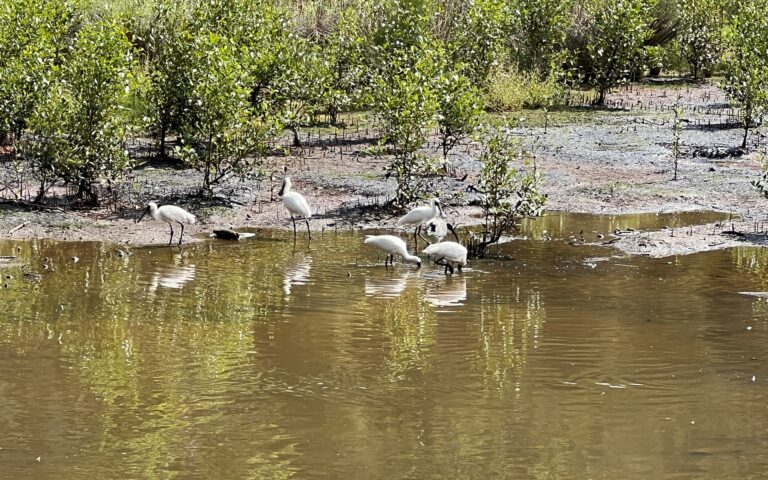
spoonbills_at_yeramba_lagoon_2024.jpg
Credit – Kirsten Spry

Yeramba Lagoon, within the Georges River National Park in Sydney, is a waterbody with a fascinating story of ecological restoration. This once degraded wetland is now thriving, thanks to innovative engineering and a dedicated effort to re-establish balance in its ecosystem.

A lagoon in transition

Yeramba Lagoon is located on the left bank of the Georges River estuary, approximately 20 km upstream from Botany Bay. Historically, the lagoon was a saltwater wetland, connected directly to the Georges River estuary and teeming with diverse flora and fauna. However, over time, human activities such as the construction of Henry Lawson Drive, in the early 1940s, and improvements in the 1960s, dammed the lagoon. Fresh water filled the former estuarine environment and formed a fresh water lagoon. Lack of any flushing from the Georges River, and stormwater input from the catchment meant that over time there was an accumulation of contaminants and high nutrient concentrations, which created an environment conducive to the growth of invasive aquatic weeds. The lagoon became weed infested.

Impact on water quality

The degraded state of Yeramba Lagoon had a direct impact on the water quality of the Georges River. The excessive nutrients in the lagoon, caused by poor tidal flushing and catchment runoff, contributed to algal blooms and reduced oxygen levels in the river. This, in turn, affected aquatic life and the overall health of the river ecosystem.
Solution: adjustable height weir

To address these challenges, a comprehensive restoration plan was developed by NSW National Parks and Wildlife Service, focusing on restoring tidal flushing and recreating a coastal wetland ecosystem. A key component of this plan was the removal of the old weir structure and the installation of a modern, adjustable height weir in late 2020.

This innovative structure allows for adaptive management of the lagoon. By adjusting the weir height, the saltwater from the river can flow into the lagoon, mimicking natural tidal patterns and promoting a healthy ecosystem. The increased tidal exchange has had a positive impact on the lagoon in several ways:

  • Improved water quality: Tidal flushing helps to remove excess nutrients and contaminants, leading to cleaner water in the lagoon and, subsequently, the Georges River.
  • Reduced weed growth: Saltwater intrusion helps to control the growth of invasive freshwater weeds, creating space for native plants to thrive.
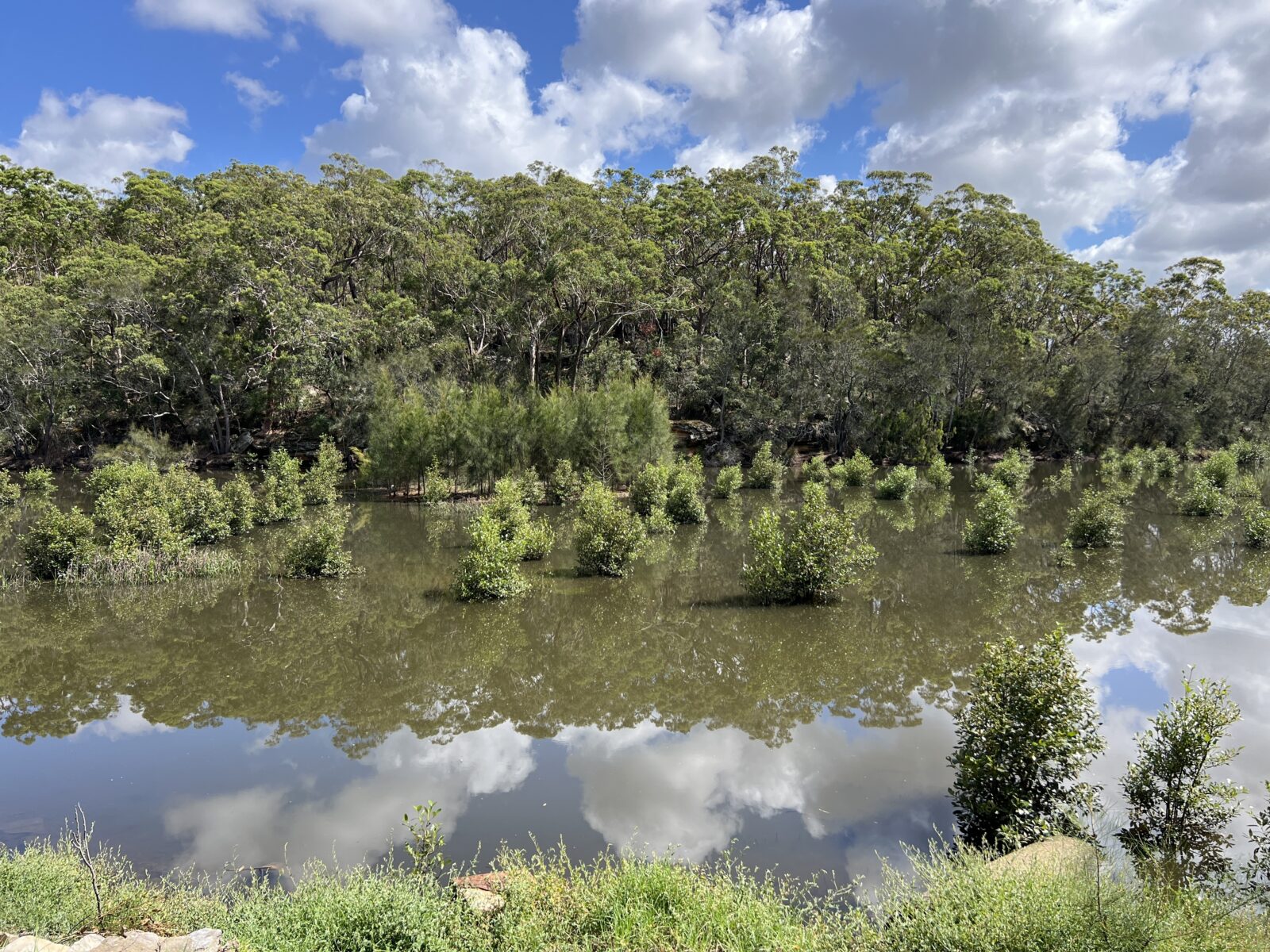
  • Habitat restoration: The return of tidal flow has encouraged the re-establishment of mangrove and saltmarsh species, providing crucial habitat for fish and other aquatic animals. 

Thriving ecosystem

Yeramba Lagoon's transformation is a compelling example of successful ecological restoration. This revitalised estuarine environment now teems with diverse flora and fauna. Bird enthusiasts can observe a variety of species, including Spoonbills, Pied stilts, White-faced Herons, White-bellied Sea Eagles, Great Egrets and many others. Hopes are high for the eventual return of Black Swans. 

The lagoon also provides crucial habitat for estuarine fish with the newly established mangroves offering vital shelter and a nursery for juveniles, which find refuge within the intricate root systems. The lagoon's deeper, permanently submerged areas are conducive to seagrass re-establishment, creating further breeding grounds for small fish.

In the upper reaches, subject to inundation during high tides and floods, saltmarsh habitat is naturally regenerating. Salt-tolerant grasses and sedges characterise this area, which serves as a refuge for juvenile and small fish, supports numerous invertebrates, and provides essential food, roosting, and shelter for resident and migratory shorebirds.

The mangroves and saltmarshes contribute significantly to carbon storage, sequestering large amounts of carbon in their plant life and sediments, sometimes for millennia. Protecting these saltmarshes is crucial to preventing the release of this stored carbon as carbon dioxide, thereby mitigating global warming.

Yeramba Lagoon showcases the effectiveness of combining innovative engineering with ecological principles to restore degraded ecosystems. This restored waterbody demonstrates the potential to revitalise damaged environments, creating a healthier place for both wildlife and the community.

The bushland surrounding the lagoon is also exquisite with impressive sandstone outcrops and beautiful native vegetation. Flowers are most abundant during spring and early summer, particularly the arrays of flannel flower.

Interested in taking a look at Yeramba Lagoon for yourself? There are numerous walking trails around the lagoon and through the bushland on either side.

Yeramba_Lagoon_Feb_2025.jpeg
Yeramba Lagoon, February 2025
Kirsten Spry

Join us for a scenic walk at Yeramba Lagoon for World Water Day, 22 March 2025

Guided by local environmental experts, we’ll discuss the significance of the lagoon, its unique ecosystem, and how it contributes to the overall health of the river. Whether you’re a birdwatching enthusiast, a nature lover, or simply someone who enjoys a peaceful outdoor adventure, this event is for you! Find out more...

Subscribe to our newsletter
Members

There are many different stakeholders and landowners in the Georges River Catchment who all have a responsibility to manage their land in a way that ensures there is a minimal impact on the river and its ecosystems.

Partners
Georges Riverkeeper Logo
Best practice environmental management for a liveable urban river.

Georges Riverkeeper acknowledges the Traditional Owners and Custodians of the Georges River, the Kamegal, Bedigal, Cabrogal, Cannemegal, Gweagal and Norongerral people of the Dharug and Dharawal nations and we pay our respects to their Elders past, present and future.

© 2025 All rights reserved.